
Our Cacao
Finding cacao farms that share our values is a key part of our chocolate making process. All of our cacao is ethically sourced and organic. We pay a premium price to ensure growers can farm sustainably, care for their land, and support their families and community.
For us, chocolate has always been about connection — to people, to place, and to the quiet craft behind every harvest. We believe chocolate tastes better when you know every detail of its creation.
Solomon Islands
Solomon Islands — a Pacific neighbour rich in volcanic soil, ocean air, and a deep tradition of small-scale cacao farming.
We source our cacao from family growers across Guadalcanal and Malaita, where cacao trees grow beneath coconut palms, banana and taro in diverse garden farms rather than large plantations. Farming here is intimate and hands-on, guided by knowledge passed down through families. Each plot is small. Each harvest personal.
By sourcing closer to home, we’re able to build stronger, more direct relationships with the people who grow our cacao. Shorter supply chains mean fresher beans, greater transparency, and a lighter footprint — while ensuring more of the value returns to the communities themselves.
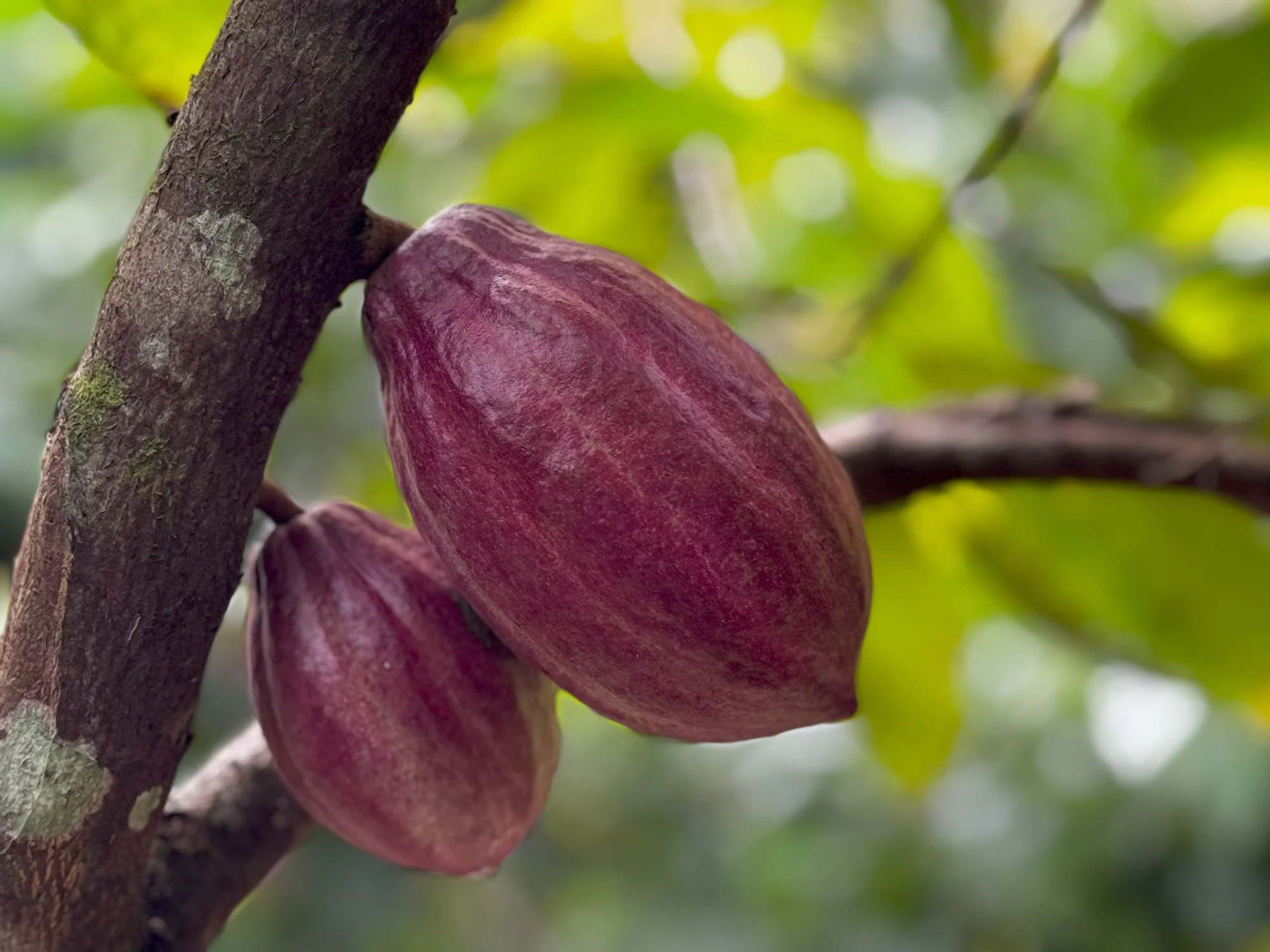
Solomon Island Cacao Pod
The cacao trees here are carefully organised into micro-lots, and harvested by small farmer groups who follow precise fermentation and drying standards. Many of these growers are supported through programs led by ADRA International, helping farmers improve quality, earn stable premiums, and invest back into their families. For some, this means sending their children to school; for others, replanting and strengthening their farms for the next generation.
The flavour feels unmistakably of the Pacific, with a gentle brightness that brings vibrancy and complexity to every bar we make.
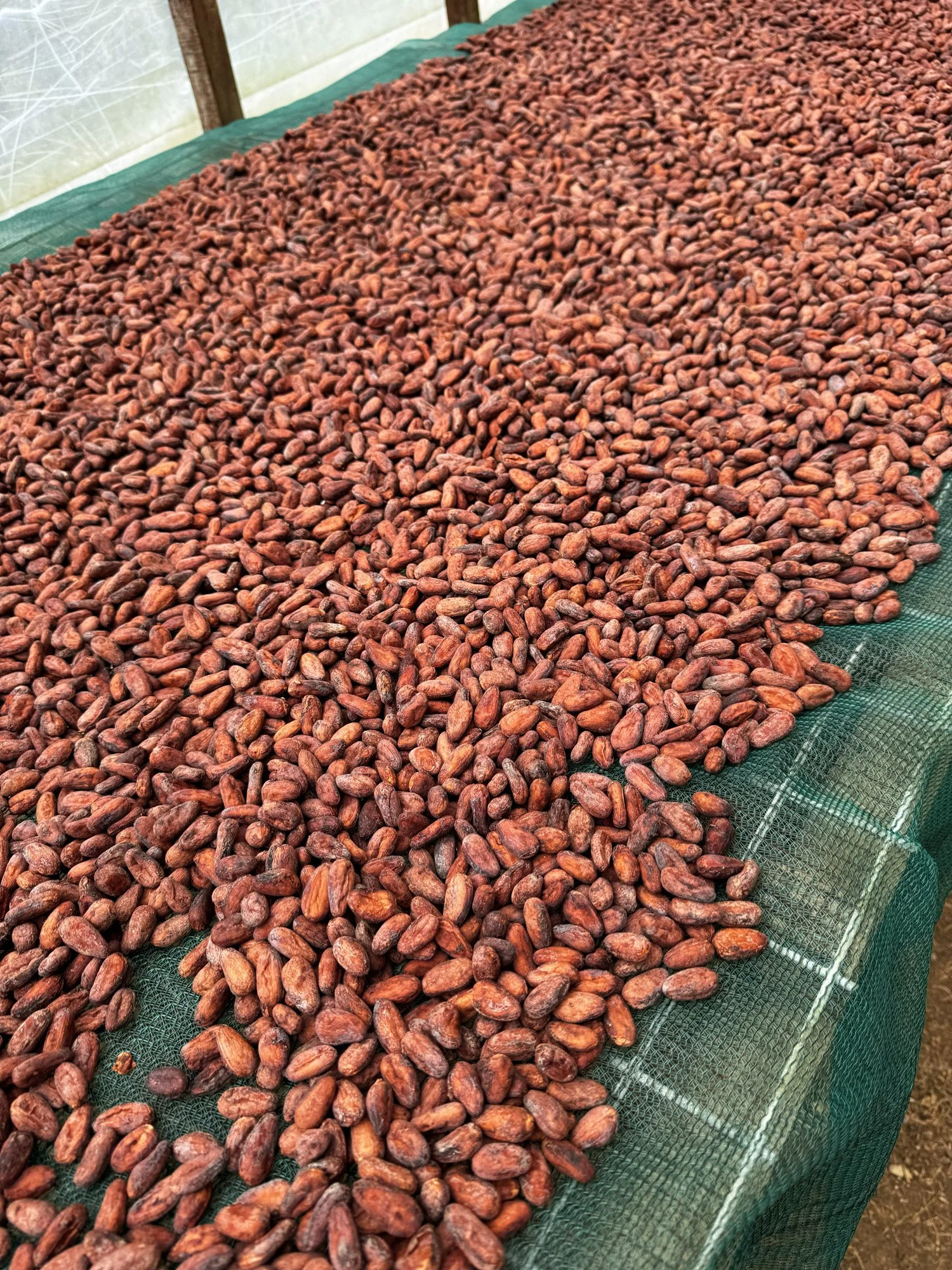
Solomon Island Cacao Beans on the drying bed
HARVESTING & PROCESSING
Harvest begins with hand-cutting ripe cacao pods from small understory trees. The pods are opened the same day, and the wet beans are placed into wooden fermentation boxes, where they’re carefully turned over several days to develop flavour and ensure an even ferment.
Once complete, the beans are spread across raised drying beds under the tropical sun and slowly dried. This patient process reduces moisture, concentrates flavour, and prepares the beans for their journey across the ocean to our small chocolate factory in Auckland, New Zealand.
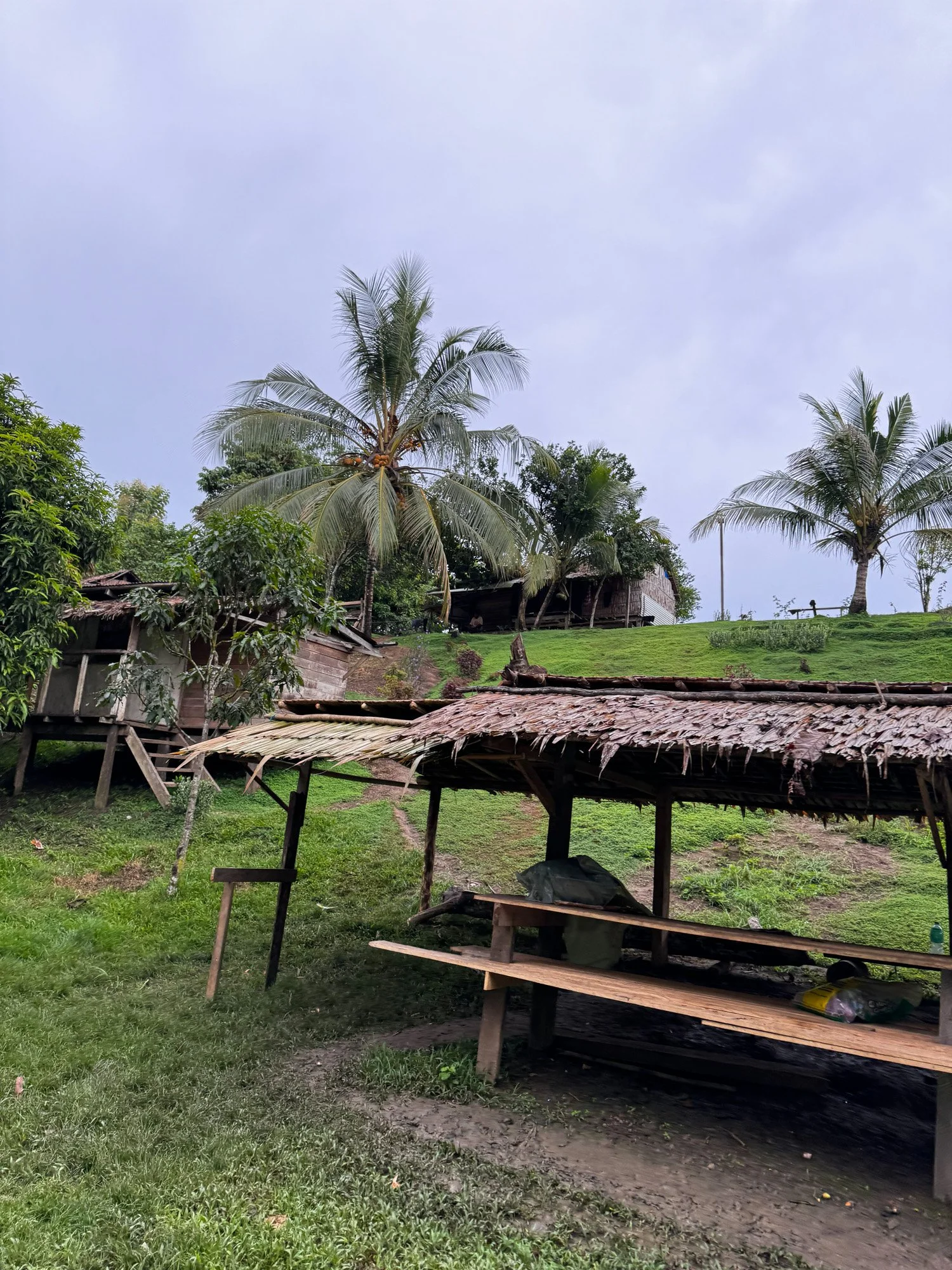
After months of tending, turning, and drying, each sack of cacao carries with it the work of many hands. We simply continue the craft — roasting, grinding, and making chocolate that honours the place and people it came from.
Solomon Island Cacao Farm

Bag of cacao beans ready for roasting
Kilombero Valley / Tanzania
In the fertile Kilombero Valley, along the edge of Udzungwa Mountains National Park, smallholder families farm cacao within diverse agroforestry systems rather than monocultures.

Udzungwa Mountains National Park - @silvacacao
Trees are intercropped with banana, maize, and other food crops, creating living farms that nourish both the soil and the surrounding ecosystem — and form a natural buffer to the protected rainforest beyond. The park is renowned for its biodiversity, home to primates, abundant birdlife, and one of the few remaining populations of savannah elephants living in a mountainous landscape.
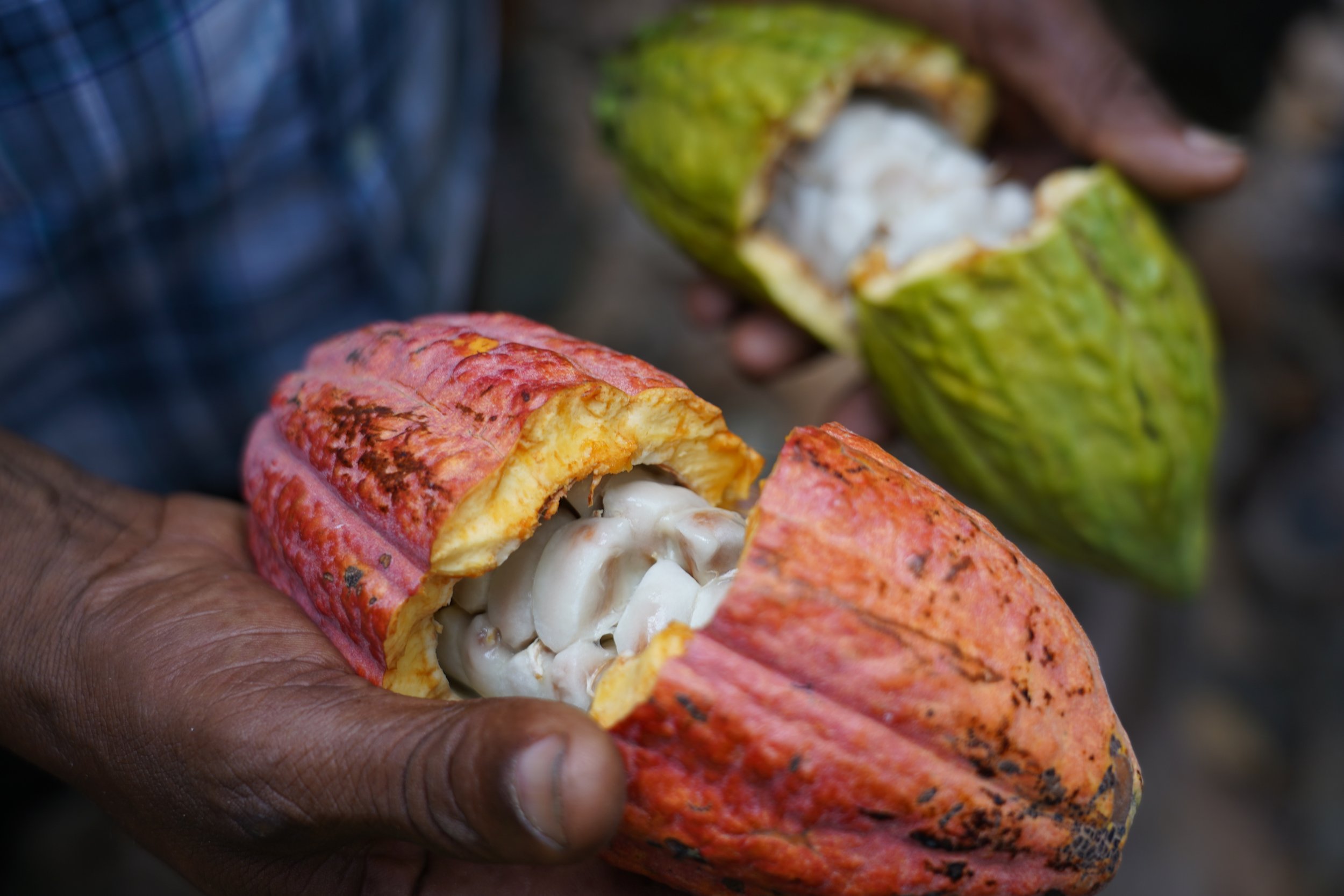
Kilombero Valley Cacao - @silvacacao
We work with more than 700 smallholder farmers through a fully traceable supply chain, paying premium prices for this certified-organic cacao so that more value returns directly to the growers themselves.

Kilombero Valley Cacao - @silvacacao
HARVESTING & PROCESSING
After harvest, the fresh wet beans are delivered to Kokoa Kamili, where through careful fermentation, drying, and rigorous quality control, they’ve shifted the region’s cacao from bulk commodity toward something expressive and distinctive — beans that carry clarity, fruit and character.
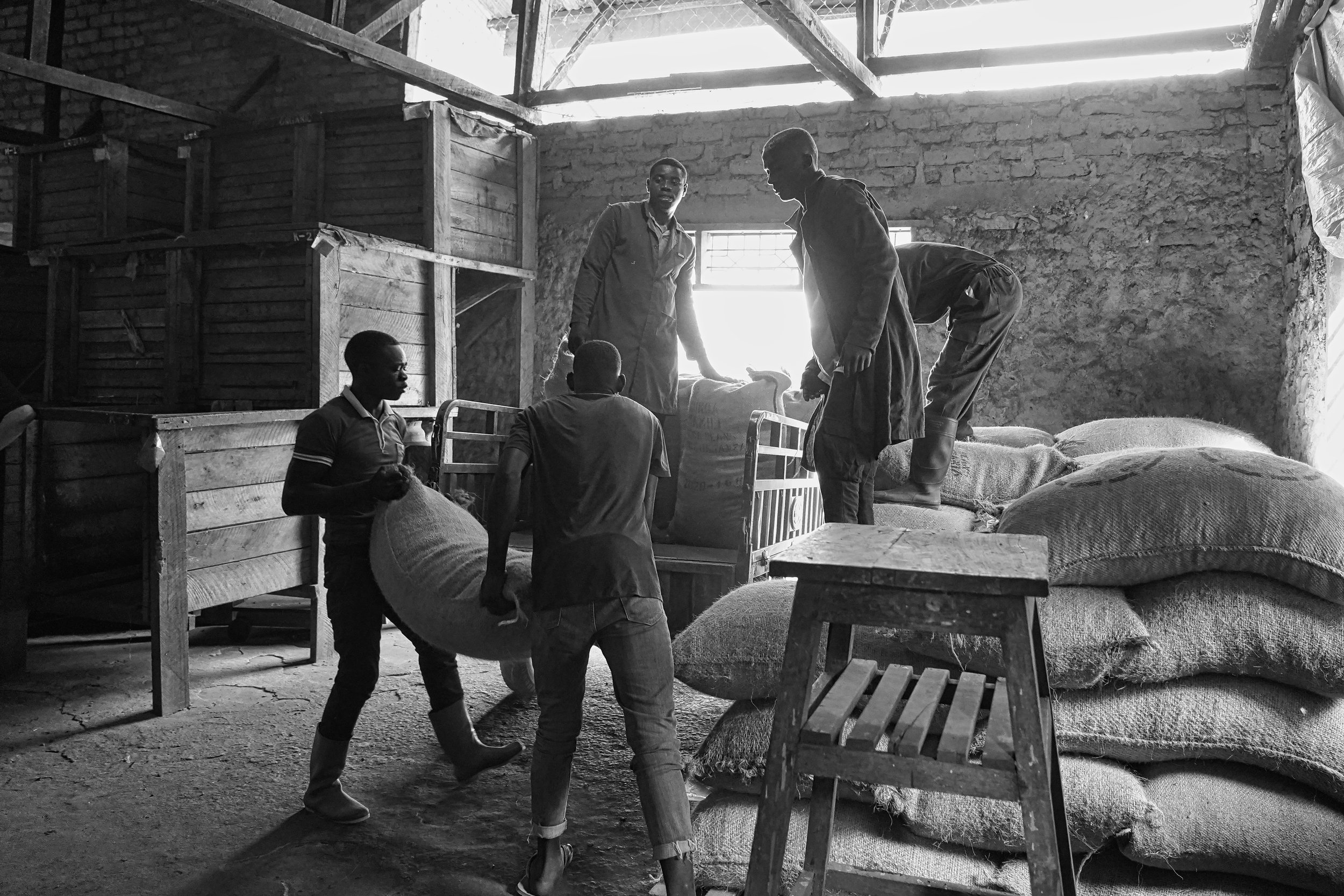
Workers at Kokoa Kamili stacking bags of cacao @silvacacao
Their direct purchasing model gives farmers immediate payment and reduces post-harvest workload, while long-term investment in organic certification and sustainable practices strengthens both farms and livelihoods.
The result is a cacao with a full, layered profile — bright red stone fruit, soft plum notes, and a smooth, lingering finish that carries beautifully through every bar we make.